SEBRING, Fla. (Feb. 5, 2026) – Historic Sportscar Racing (HSR) Pistons & Props Presented by the Alan Jay Automotive Network kicks-off the 2026 HSR racing season next weekend at Sebring International Raceway, Feb. 13-15. The must-attend event once again celebrates Sebring’s rich sports car racing heritage and notable aviation history with four days of on-track action and an airplane “fly-in” of retro civilian and military aircraft from the World War II era and last half century.
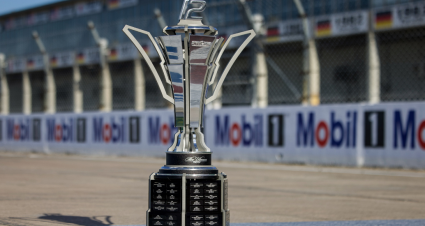
HSR Pistons & Props Presented by the Alan Jay Automotive Network honors the legendary Mobil 1 Twelve Hours of Sebring sports car race, which runs for the 74th time March 21, and Sebring International Raceway’s patriotic aviation history. Hendricks Field, on which Sebring International Raceway stands, was built as a United States Army Air Forces training base during World War II.
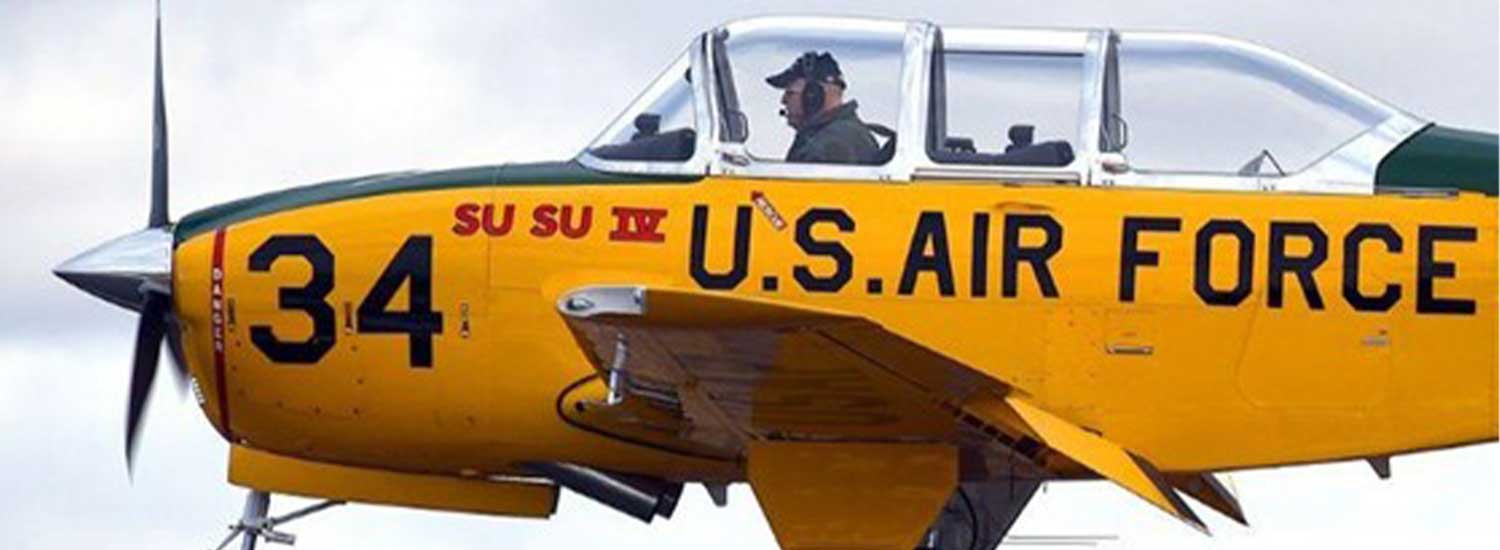
One plane scheduled to appear is a Beechcraft T-34 Mentor owned and piloted by Bob Hahnemann, who could be the first HSR Pistons & Props participant to take part in both the winged and four-wheel activity. An accomplished pilot and sports car racing competitor, Hahnemann is listed as a co-driver with his son, Matt Hahnemann, in Friday afternoon’s B.R.M Chronographes Legacy Enduro in their 2007 No. 111 Porsche 997 GT3 Cup car.
Just after the race, Bob will taxi from the adjacent Sebring Regional Airport down the raceway’s Ulmann Straight (backstretch) in the T-34, joining a quality lineup of other must-see airplanes and accomplished pilots in a parade to the paddock. Positioned inside the Sebring paddock, the planes will be on display and available for viewing from Friday at 4:30 p.m. through late morning on Sunday.
The Beechcraft T-34 Mentor was a post-World War II trainer that was a learning workhorse for thousands of cadets for more than 25 years. It was used in the Air Force until the 1960s and a go-to in the Navy well into the 1970s. The senior Hahnemann and his partner, Len Tucker, purchased the plane four years ago from legendary NASA astronaut and United States Air Force Colonel Frank Borman, Commander of Apollo 8. Apollo 8 was the first mission to fly around the Moon. Also a test pilot – and former President of Eastern Airlines – Borman put his own high-performance enhancements on the T-34, installing a Continental IO-550, which was the largest engine you could put in a Mentor. The twin “SU” lettering as the plane’s nickname – SU SU IX – also continued Borman’s tradition of using the first letters of his wife Susan’s name on his aircraft.
On the HSR competition side, a highlight of the overall entry list is a nice turnout of entries in the HSR Sasco Vintage Cup for Groups 2 and 3. Home to small-bore racing machines that deliver big-time competition, Sasco Vintage Cup features many unique and eclectic race cars.
One particularly rare entry is the Olthoff Racing 1960 No. 26 GSM Dart driven by Englishman John Spiers. The GSM was built in South Africa by Glass Sport Motor company. The company, which manufactured the Dart from 1959 until 1962, got its name – Glass Sport – given its use of fiberglass. The lightweight production sports cars were generally used for racing. The No. 26 has been modified to feature a full flip-top front end and left-hand drive. Power comes from a Ford 1600 Kent engine – produced in Kent, England – with twin side-draft carburetors.
Spiers will battle with a top trio of British-built Ginettas, including frequent HSR race winner and podium finishers Hervey Parke in his 1965 No. 11 Ginetta G4 prepared by Michael’s Vintage Racing. Michael Oritt drives a similar 1961 No. 82 Ginetta G4 while Thomas Grudovich completes the quick Ginetta contingent in his 1966 No. 425 Ginetta G4.
Another favorite small-bore British contender could be the comeback story of the weekend. Accomplished HSR driver Kenneth Greenberg was uninjured in a heavy Turn 1 accident in December’s season-ending HSR event at Sebring, but his Air Power Racing 1964 No. 324 Morgan Plus 4 was nearly a total write off. Weston Farmer and the team at Air Power quickly went to work non-stop, and Greenberg and the Morgan are entered in the Vintage Cup sprints and B.R.M Legacy Enduro.
Farmer reports many hours are still ahead before traveling to Sebring next week from the team shop in St. Augustine, Fla. after the Morgan’s frame was destroyed and even the engine block was cracked in the incident. The team bought a similar 1967 Morgan chassis as a donor car, and the roll cage was completed last week. Oil lines, fuel lines and electrical systems are going in this week and a rebuilt engine recently arrived.
For complete information on HSR Sebring Pistons & Props Presented by the Alan Jay Automotive Network, including the event schedule and entry lists, visit www.HSRrace.com/sebring-pistons-and-props. For tickets, visit www.SebringRaceway.com.
About HSR
An International Motor Sports Association (IMSA) property, Historic Sportscar Racing (HSR) was formed in the mid-1970s with an event at Road Atlanta. There was one goal then and it remains true today: to celebrate the racing cars from the past. As a “time machine” of sights and sounds, HSR provides a venue for competitors and spectators alike to share in the wonderful history and excitement created by the cars that competed at racetracks around the world. HSR currently sanctions eight vintage and historic racing events at some of the world’s most renowned racetracks, including Michelin Raceway Road Atlanta, Sebring International Raceway, Daytona International Speedway and more. The complete schedule and full event information can be found on HSR’s website at www.HSRRace.com. Look for the HSR Channel on YouTube and follow HSR on Facebook at www.Facebook.com/HSRrace/ and on Twitter X at @HSR_race and Instagram @HistoricSportscarRacing.
About Sebring International Raceway
Sebring International Raceway is North America’s oldest permanent road racing facility, established in 1950. The circuit originated from a WWII B-17 and B-24 bomber combat crew training base known as Hendricks Field. Nestled among the orange groves and cattle ranches of Central Florida, Sebring International Raceway has hosted the legendary 12-hour endurance classic since 1952 (Mobil 1 Twelve Hours of Sebring), part of the prestigious IMSA WeatherTech SportsCar Championship. Sebring was the site of the first Formula 1 race in the United States (1959) and in 2012 hosted the inaugural race of the FIA WEC, which returned in 2019 to run the day before the Mobil 1 Twelve Hours of Sebring. Sebring is also known as one of the most versatile testing facilities in the motorsports industry, offering a variety of circuit configurations for club and corporate events, private testing and racing schools. For more information on Sebring, visit www.sebringraceway.com.